
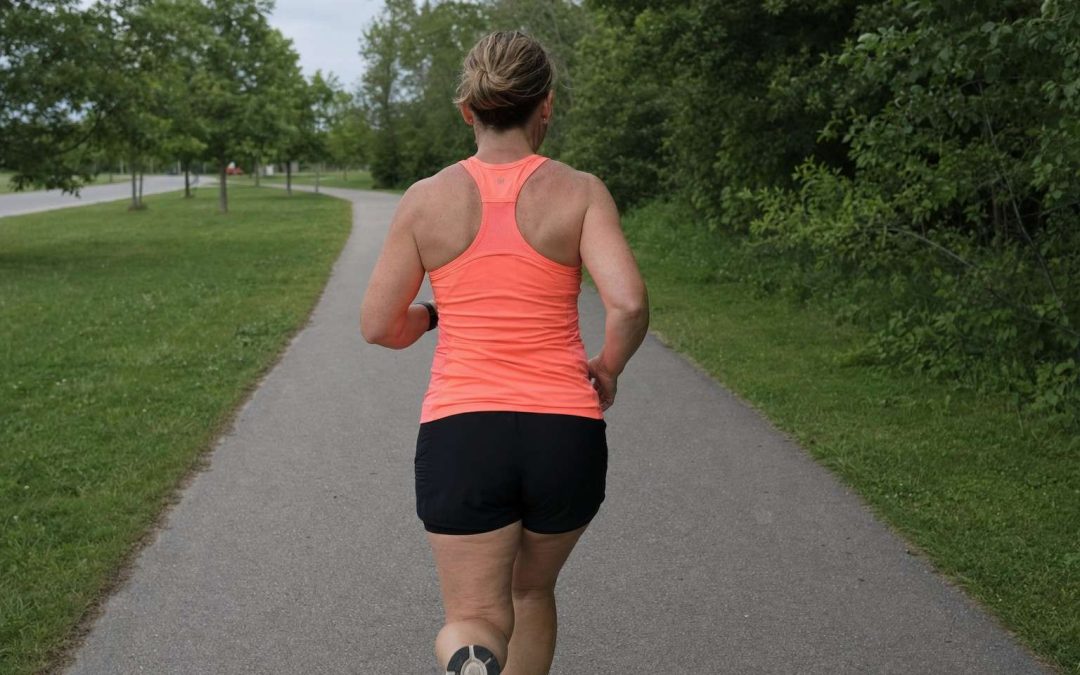
Your chest moves more than you think when you run.
Researchers at the Research Group in Breast Health at the University of Portsmouth have measured breast movement of up to around 14 centimeters during running when support is poor. It moves in a figure-eight pattern, not just up and down.
Add that up over a long run and the number gets surprising. The same Portsmouth research found that over a marathon, all that unsupported movement can total the equivalent of several extra miles of motion.
That is the part most “best sports bra” roundups skip.
The thing that changes how a bra performs is not the logo on the band. It is the fit.
What the movement is actually doing
Breast tissue has very little internal support of its own. It is held by skin and a thin network of connective tissue, and that tissue does not snap back the way muscle does.
So when you run without good support, the motion is repetitive, and your body feels every cycle of it.
That is one of the quieter reasons women step away from the sport, even when their legs and lungs are ready to keep going.
The right bra is not a vanity item. It is equipment that keeps you comfortable enough to stay in the sport.
Comfort here is not a small thing. Roughly one in three women report breast pain while running a marathon, according to surveys of marathon runners, and many never adjust their bra or seek help.
If you have ongoing or new breast pain, it is worth raising with a doctor. This is general information, not medical advice.
Why fit beats brand every time
Most women are not wearing the size they think they are.
Bra-fit research puts it at around 8 in 10 women in the wrong size, and many have never been professionally fitted. A bra can carry every high-impact feature on the label and still fail you if the band rides up or the cups gape.
When the fit is right, the payoff shows up in the data. Breast-health research shows a well-fitted sports bra can cut breast movement by more than half, with studies reporting reductions of roughly 55 to 75 percent.
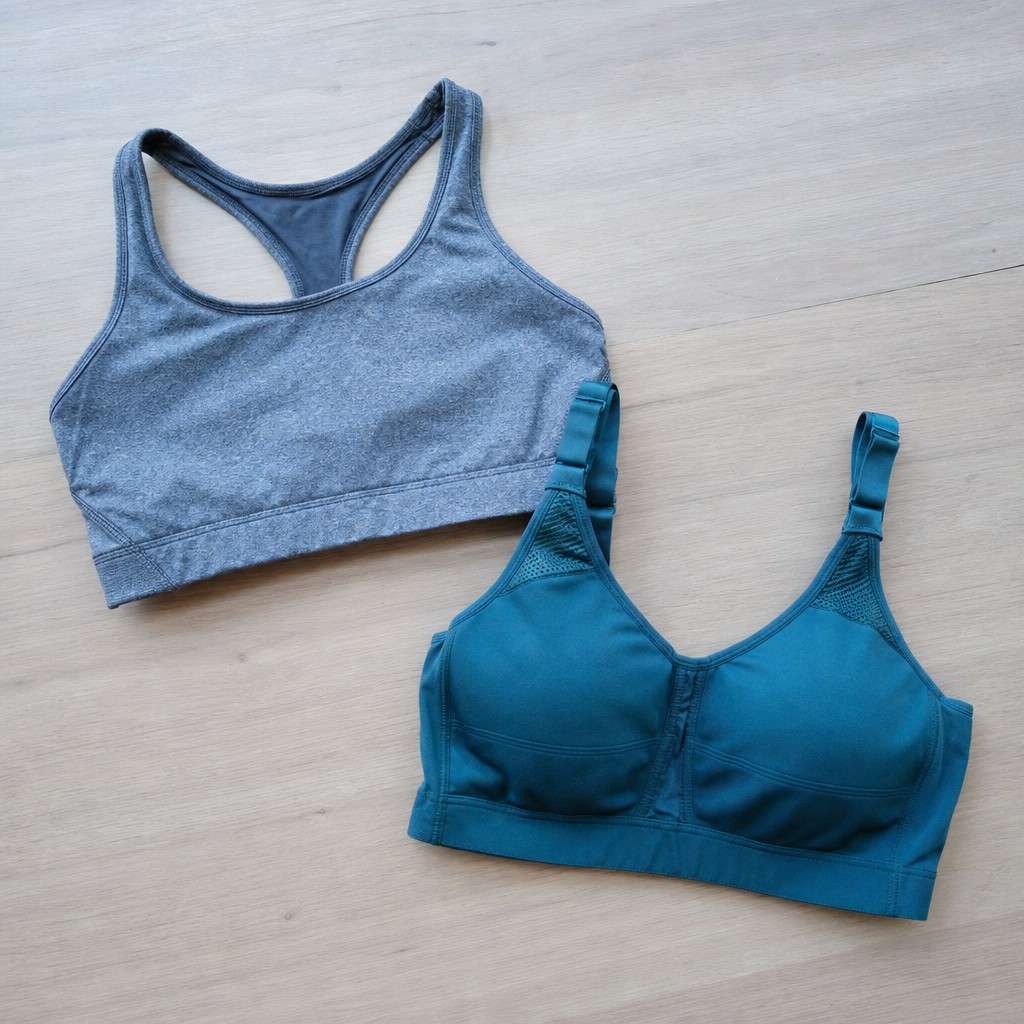
Style matters more as cup size goes up. Compression bras that hold you flat against the chest can be plenty for smaller sizes and easy efforts.
Encapsulation designs that support each side on their own tend to control motion better for larger busts and harder runs.
A few features separate a supportive bra from a decorative one:
- A firm band that stays level around your ribs and does not creep upward
- Encapsulation or a high-impact design that supports each side, rather than just compressing
- Wide, adjustable straps that do not dig in
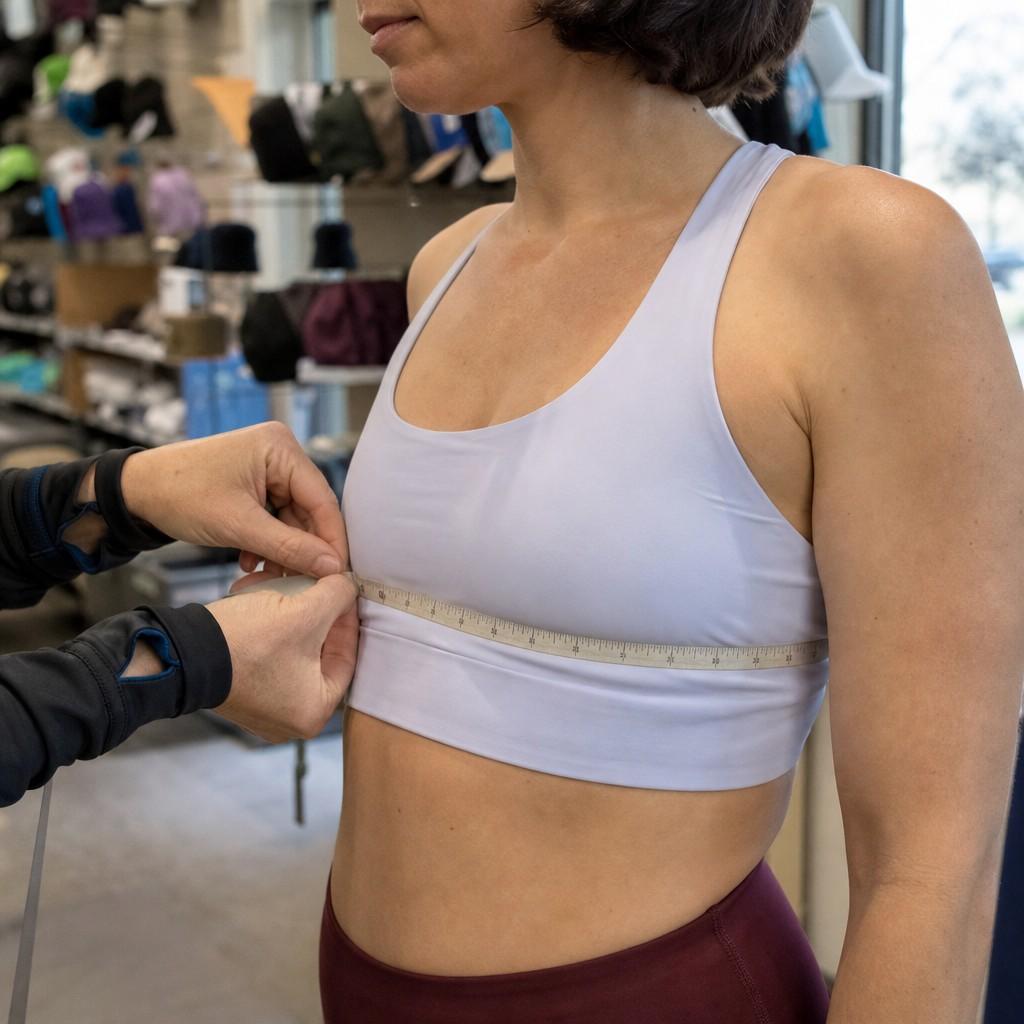
- A size confirmed by measuring, not guessed from your everyday bra
Once you know what those features look like on you, shopping gets much easier. You can compare high-impact running sports bras on Amazon and judge each option against that checklist instead of a marketing claim.
The performance angle most people miss
Good support does more than keep you comfortable. It quietly changes how efficiently you run.
Researchers have found that greater breast support is linked to lower oxygen consumption and better running economy, meaning your body uses less energy to hold the same pace.
When you are not bracing against motion, more of your effort goes into moving forward.
The effect is measurable. A 2023 study reported by Frontiers found a well-fitted sports bra was associated with roughly a 7 percent improvement in running performance.
Put those numbers next to each other and a picture forms:
- Up to 14 cm of movement with poor support, in a figure-eight path
- More than half of that motion removed by a well-fitted bra
- Lower oxygen cost and better running economy as a result
- Around a 7 percent performance gain in one study
None of that requires a particular brand. It requires the right fit.
What to do today
Start by checking the bra you already own. Run two fingers under the band: it should feel firm and stay put when you lift your arms, not slide up your back.
If it rides up, gaps, or leaves you sore after a run, treat that as information rather than something to push through.
Many running stores and lingerie shops offer free fittings, and a single accurate measurement can reset everything you thought you knew about your size. If you are just getting started, this is one of the easiest early wins to lock in before mileage climbs.
Support also wears out. When a once-firm band starts to feel slack, or the bounce creeps back after months of washes, treat that as the signal to replace the bra.
From there, shop by feature, not by name. Look for a supportive band, an encapsulation or high-impact design, and a confirmed size, then let comfort over a real run be the final test.
The right bra should fade into the background, so the only thing you notice is the running itself.