
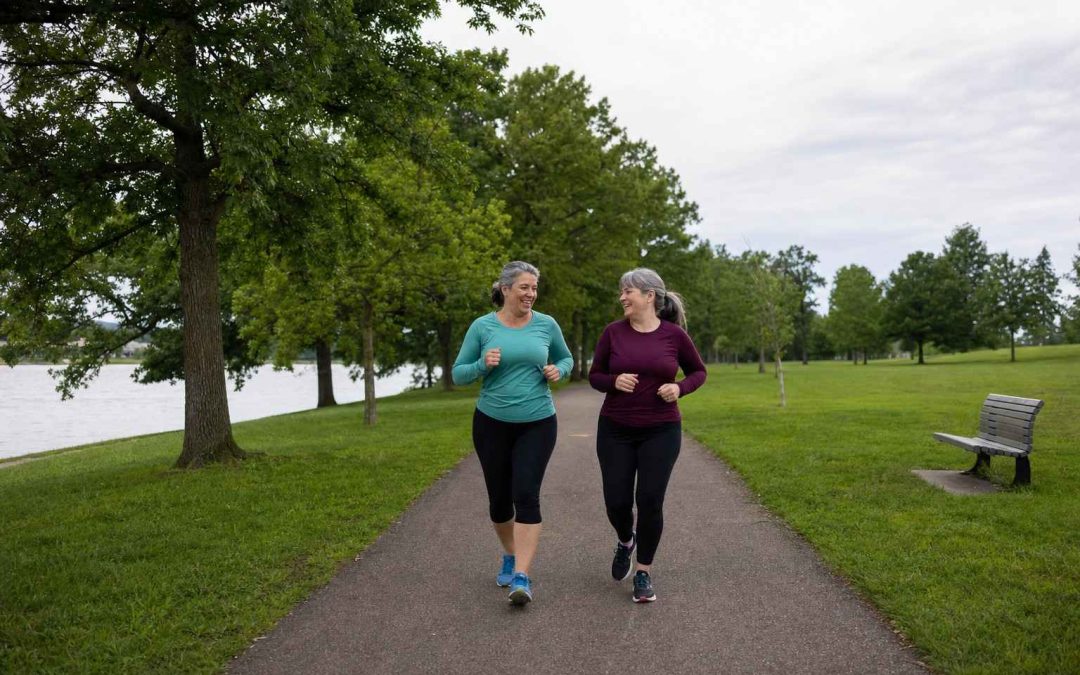
Somewhere in your forties or fifties, the ground shifts.
Sleep gets patchy, moods swing, and the first cold morning your knees feel stiffer than they used to. There is also something happening you cannot feel.
Around the menopause transition, women can lose bone density quickly, on the order of about 2 percent a year during the fastest phase, and sometimes more. That comes from research on bone health during the menopause transition.
The encouraging part is real. Running is one of the few everyday habits shown to push back on both the bone loss and the rising heart risk at the same time.
Not as a quick fix, and not as a way to change how your body looks. As steady protection for the years ahead.
Why bone gets fragile, and why impact helps
Estrogen helps keep bone strong. So when it drops, the scaffolding inside your bones thins faster than it rebuilds.
That is the quiet stretch where loss outpaces repair.
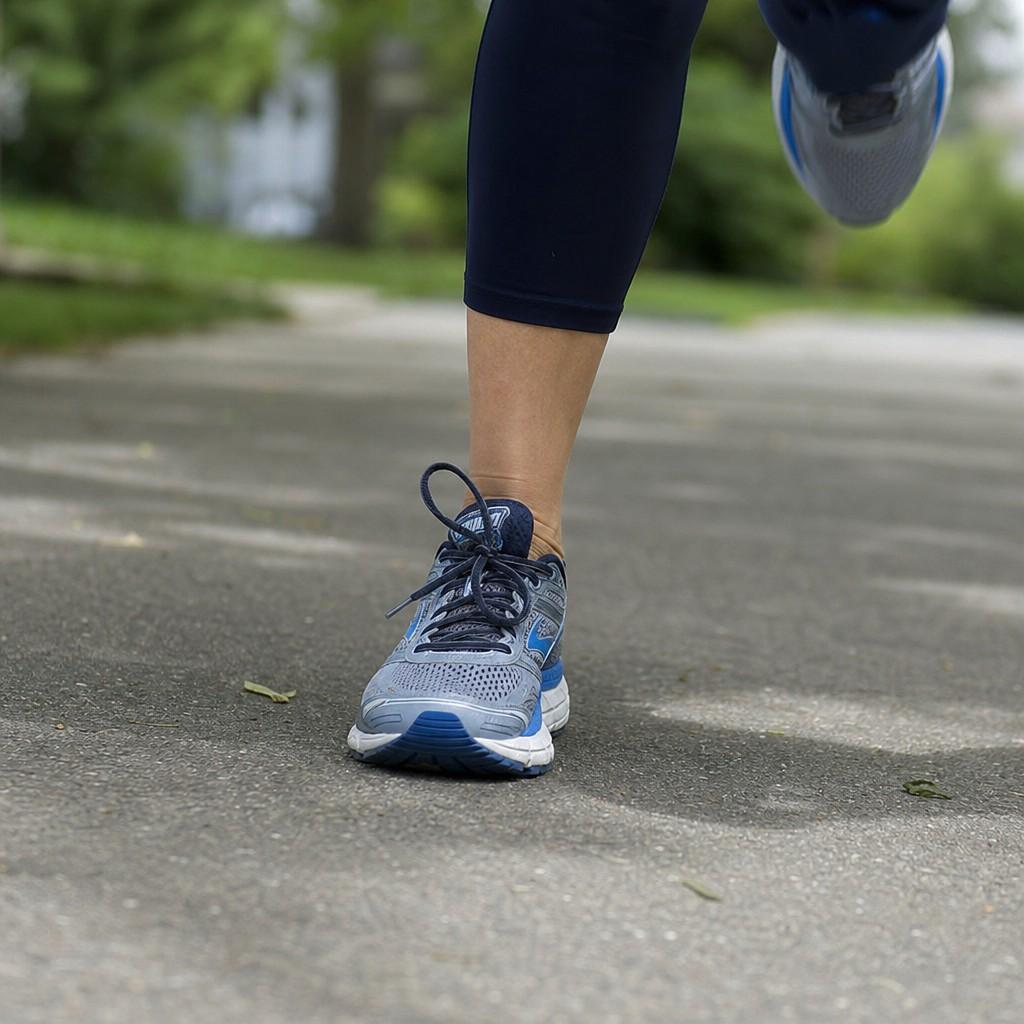
Bone is living tissue, though, and it responds to load. When your feet strike the ground, that gentle stress signals your body to lay down more bone where it is needed.
That is exactly why weight-bearing, impact movement matters now. According to sports-medicine and bone-health guidance, impact activity such as jogging, done at least about three times a week, is part of the standard advice for protecting bone at this stage.
A few ways to think about your week:
- Three run-walk sessions clear the bar without wrecking your legs.
- Hills and short pickups add load, which bone likes.
- Strength work on off days supports the same goal.
Running is a powerful tool, not a cure-all. If you already have thinning bones or a diagnosis, it works alongside what your doctor recommends, not instead of it.
This is general information, not medical advice. If something hurts, or you have a health condition or questions about this life stage, it is worth checking with your doctor.
The heart risk most women are not told about
Bone gets the headlines, but the heart deserves equal attention.
Cardiovascular risk tends to climb across the menopause transition, often quietly.
The American Heart Association calls perimenopause a window of opportunity to protect long-term heart health, precisely because the trajectory can still be changed. What you build into your routine now compounds for decades.
The numbers back up the urgency. The Journal of the American Heart Association found perimenopausal women were about twice as likely to have a low cardiovascular-health score as women who were still cycling regularly.
The window does not close, but it is wider now than it will be later, and a regular run is one of the simplest ways to use it.
Running answers both problems with the same half hour. The impact protects bone while the steady effort protects your heart, which is rare value from a single habit.
How much is enough
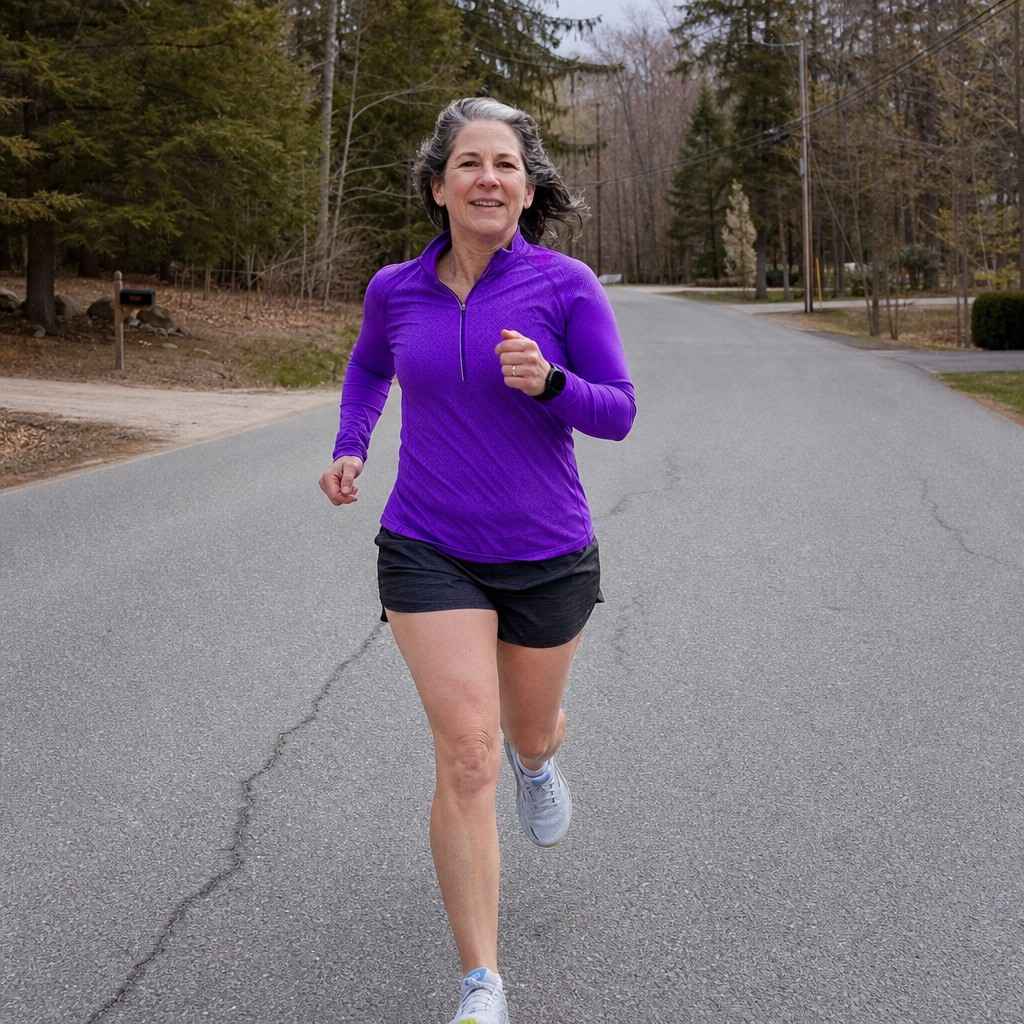
You do not need to train hard, and you do not need to suffer. Most of the benefit comes from showing up most weeks, not from any single hard run.
A reasonable floor is built into public guidance. The CDC recommends at least 150 minutes of moderate activity a week, which three half-hour run-walk sessions nearly cover.
Two things do shift what “enough” looks like now, and both are worth planning around. Recovery tends to take a little longer, and strength work becomes a genuine partner to running rather than an optional extra.
- Pair your runs with two short strength sessions a week, since muscle pulls on bone and steadies the joints.
- Warm up properly, because stiffer mornings are common and a cold start is where small tweaks happen.
- On a bad-sleep night, move the run to whenever you feel steadiest instead of dropping it.
- Treat rest days as part of the plan, not a failure of willpower.
The habit matters more than the pace, and protecting your joints so you can keep running for the long haul is its own kind of training.
That long view, the one focused on lifetime fitness rather than this month, is what makes the difference for bone and heart alike.
Where to start this week
Begin smaller than feels impressive.
One short, easy run-walk this week, then a second, is enough to start the bone and heart response working in your favor.
Build in gentle impact and let it become routine. A 20-minute loop on three days, kept up for months, does more than an ambitious plan you abandon in two weeks. That is why building a consistent running habit beats chasing intensity early.
The everyday payoff often arrives sooner than the long-term one. Regular running tends to steady sleep and lift mood, and it can take some of the edge off the symptoms that make this stage wearing.
That alone is reason enough to start, long before any number on a scan changes. Let the steadier energy and clearer head be the wins you notice while the quieter protection builds underneath.
You are not running away from this stage of life. You are running straight through it, stronger.