

Building a running habit is like planting a garden: you won’t harvest results by demanding everything at once. You’re probably thinking you need to run five miles tomorrow, but that’s backwards.
Start with five minutes. Anchor those minutes to something you already do daily.
Prep your shoes tonight. The secret isn’t willpower; it’s eliminating the reasons you’ll quit before you start.
Here’s what actually works.
Start Small: Really Small
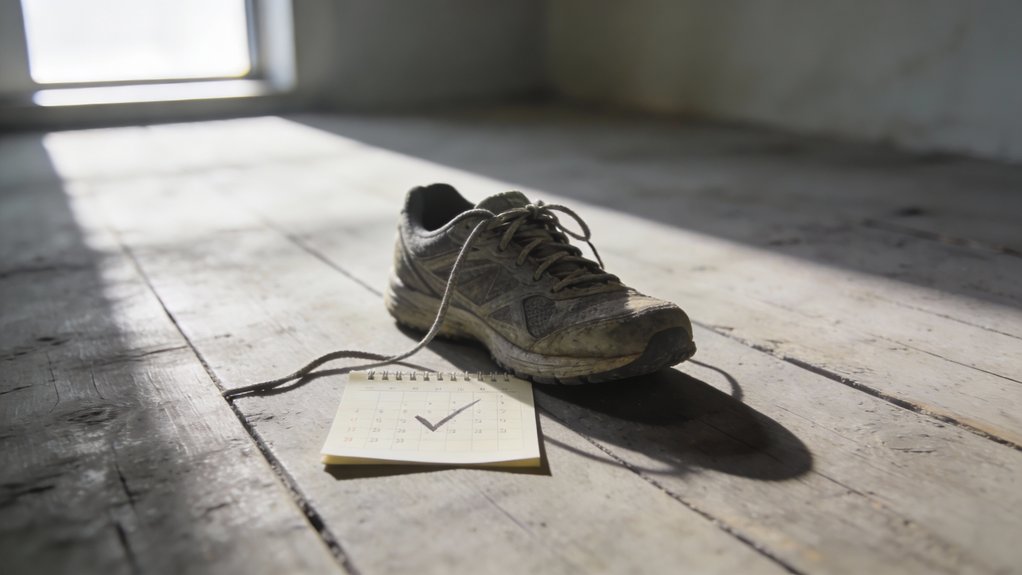
When you’re building a running habit, the biggest mistake most people make is starting too ambitiously. Instead, adopt a beginner mindset by committing to just five minutes of running.
This modest commitment builds confidence without overwhelming you. From there, pursue gradual progress by adding one minute weekly to your routine.
You might alternate one minute of running with four minutes of walking. This approach lets your body adapt sustainably. Understanding walk-run intervals helps you pace yourself appropriately during these early sessions.
Small, manageable goals create achievement feelings that motivate continued training. You’re emphasizing effort over speed or distance initially.
This mindset makes running accessible and enjoyable, establishing a foundation for long-term success.
Anchor Running to Your Existing Routine
Since you’ve already built a foundation with short five-minute runs, the next step is linking your running habit to something you’re already doing every day.
These running cues work powerfully because they require zero extra willpower.
Running cues eliminate willpower friction, making habit formation effortless and sustainable.
Run right after dropping kids at school or following your lunch break. Place your shoes by the front door as a visual reminder. Set calendar alerts at specific times.
This routine integration makes running feel automatic, not optional. You’re not adding something new to your day, you’re attaching running to existing anchors.
Start with just two minutes. As weeks pass, duration increases naturally. Research shows that two 15-minute sessions can equal the benefits of one longer workout, so even if you split your runs throughout the day, you’re still gaining significant health advantages.
Design Your Running Environment for Automatic Action
You’ve anchored running to your daily schedule, but here’s what really locks in the habit: your physical environment.
Designate a specific running space in your home; a corner of your bedroom or entryway works well. Organize your gear organization system so shoes, clothes, and accessories sit together, visible and within arm’s reach. This visibility reinforces your commitment daily.
Prepare everything the night before, eliminating morning friction. Use a calendar or checklist nearby to track progress visually. Consider maintaining a training log to document your running sessions and identify patterns that support your habit development.
When your running space eliminates barriers and makes action obvious, you’re not fighting yourself anymore. The habit becomes automatic.
Use the Run/Walk Method to Build Momentum

Most beginners fail because they try to run too hard, too soon. The run/walk method fixes this by alternating running and walking intervals, building endurance safely.
Start with one minute running followed by four minutes walking. This pacing strategy lets your body adapt gradually while keeping injury risk low.
Stay at each ratio for one to two weeks before progressing. Warm up with five minutes of walking first.
Aim for thirty to forty-five minute sessions five to six days weekly. Focus on conversational effort, not speed.
Run/walk benefits include sustainable fitness gains and genuine confidence that carries you forward.
Track Your Running Habit, Not Your Pace
Now that you’re running consistently with the run/walk method, it’s time to shift your focus away from pace and toward habit tracking instead.
Create a simple checklist marking days you run, targeting three sessions weekly. Your consistency focus builds sustainable routines better than chasing speed records.
Consistency beats speed. Track three weekly runs on a simple checklist to build sustainable habits over chasing pace records.
Review your log regularly to spot patterns and celebrate wins. When you miss runs, jot down why, weather, tiredness, schedule conflicts.
This insight reveals barriers you can address. Tracking habits over pace removes pressure, making running enjoyable long-term.
You’ll reduce injury risk and burnout while strengthening your commitment to the practice itself.
Expect Bad Runs (and Why They Matter)
Every runner, even the experienced ones, has runs that feel sluggish, discouraging, or just plain hard.
Bad runs happen to everyone. They’re normal, and they matter more than you’d think.
When you track these difficult sessions, you gain performance insights about what affects your body.
Maybe fatigue, stress, or poor sleep played a role. Understanding these factors helps you adjust your training plan.
Bad runs build resilience and teach you your limits. They’re not failures: they’re data points.
Consistency matters more than perfection. Keep showing up, even on tough days.
Good runs will eventually outnumber the bad ones.
Build Accountability Without Guilt

Since you’ve learned that bad runs teach you valuable lessons, it’s time to build a system that keeps you running consistently, without the shame spiral when life gets in the way.
Join a running group or community for social support that motivates you to show up.
A running group transforms accountability into community, making each workout feel less like a solo obligation and more like showing up for people who count on you.
Share your progress on apps or social media, creating personal commitment through accountability.
Sign up for a race, giving yourself a concrete deadline.
Track your runs and celebrate small wins to reinforce positive behavior.
Remember: missing one workout doesn’t derail your habit.
Consistency means the overall pattern, not perfection.
Review Weekly and Adjust What Isn’t Working
As your running habit takes shape, a weekly review becomes your best tool for staying on track. Set aside time each Sunday to assess what worked and what didn’t.
Use pattern recognition to identify which routes energize you and which schedules fit your life. Document missed workouts honestly: this reveals real obstacles, not excuses.
Your goal reassessment might show that Tuesday mornings suit you better than evenings. Maybe three miles feels sustainable while five causes burnout.
Adjust accordingly. Flexibility prevents quitting entirely. You’re building something lasting, not proving anything.
Small tweaks create consistency that serves your long-term wellbeing.
Recent Comments