
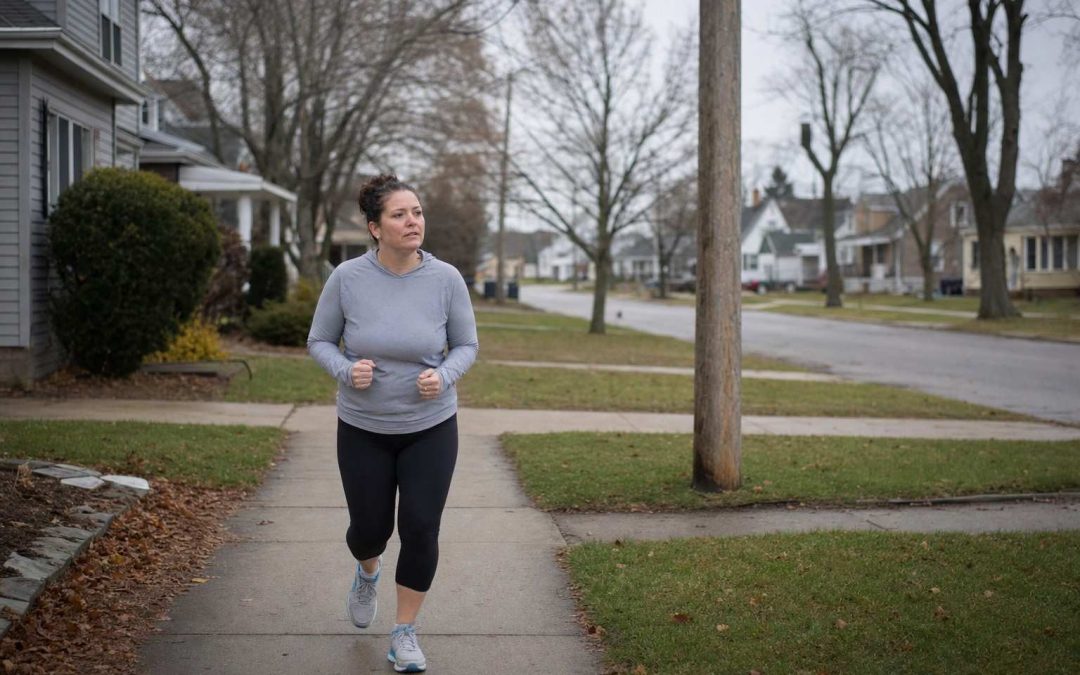
You do not need to be able to run a mile to start running. You do not need special fitness, a gym membership, or even particularly good shoes on day one. What you need is a plan that does not destroy you in the first week.
Most women who try running and quit do so in the first month, and usually for the same reason: they ran as hard as they could, felt terrible, and concluded running was not for them. The problem was the approach, not the person.
Start with run-walk, not continuous running
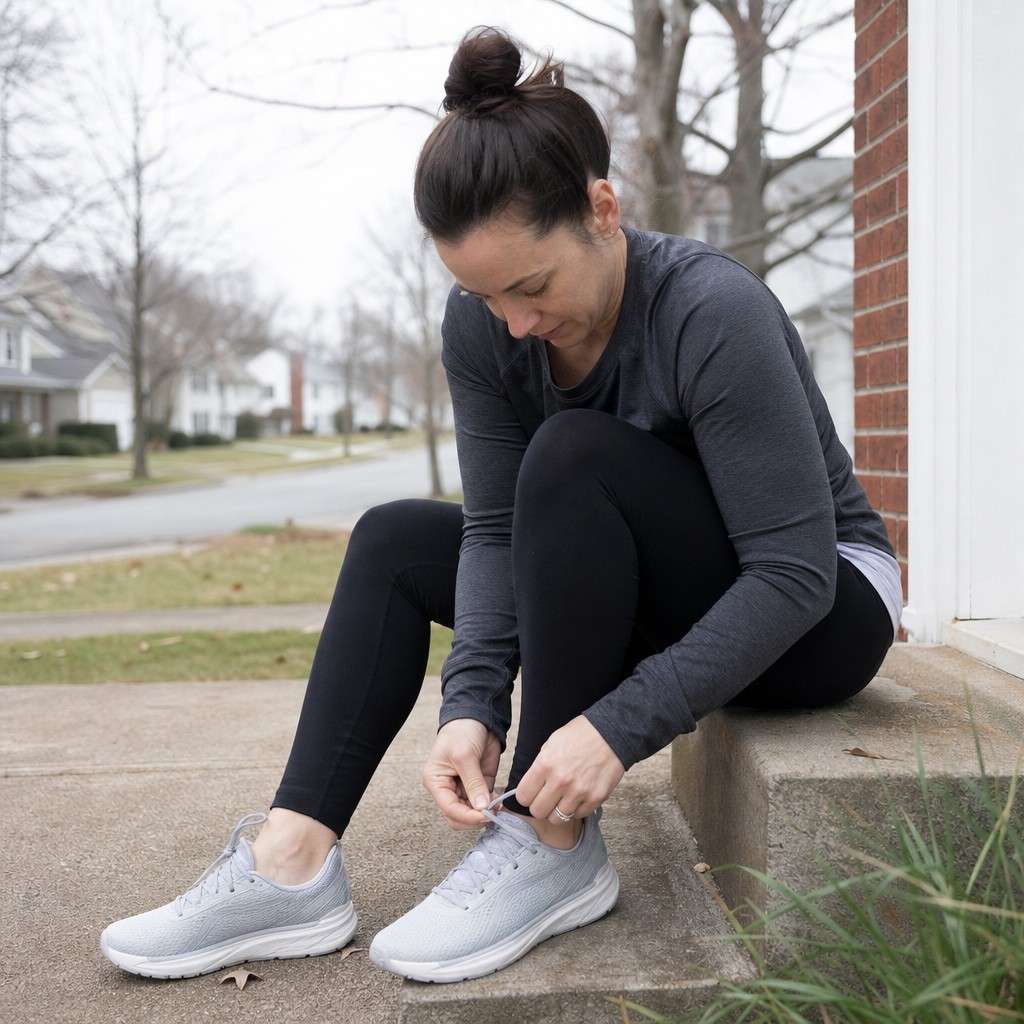
The most reliable way to begin is to alternate running and walking from the very first session. Run for one minute, walk for two. Repeat that for twenty minutes. That is your workout.
It sounds too simple to be effective. It is not. The walk breaks keep your effort in a range where your body is actually building aerobic fitness, rather than spiking into redline and crashing. You finish feeling worked rather than wrecked.
This method has a name and a long track record. The run-walk approach, sometimes called wogging, is how many lifelong runners started, and how plenty of them still train. Walk breaks are not a compromise. They are a technique.
What a realistic first month looks like
Three sessions a week is a solid target. Not five, not daily, not a formal training plan yet. Just three.
- Weeks 1 and 2: Run 1 minute, walk 2 minutes. Repeat for 20 minutes total. Focus on showing up, not on pace.
- Weeks 3 and 4: Try run 2 minutes, walk 1 minute. If that feels too hard, stay at week 1 ratios. There is no penalty for going slower.
Move the interval up only when the current one feels easy, not when the calendar says to. Some weeks you will stay put. That is fine.
By the end of the month, most beginners can sustain the run-walk pattern comfortably and have a sense of what easy effort actually feels like. That is a genuine foundation.
Go slower than you think you need to
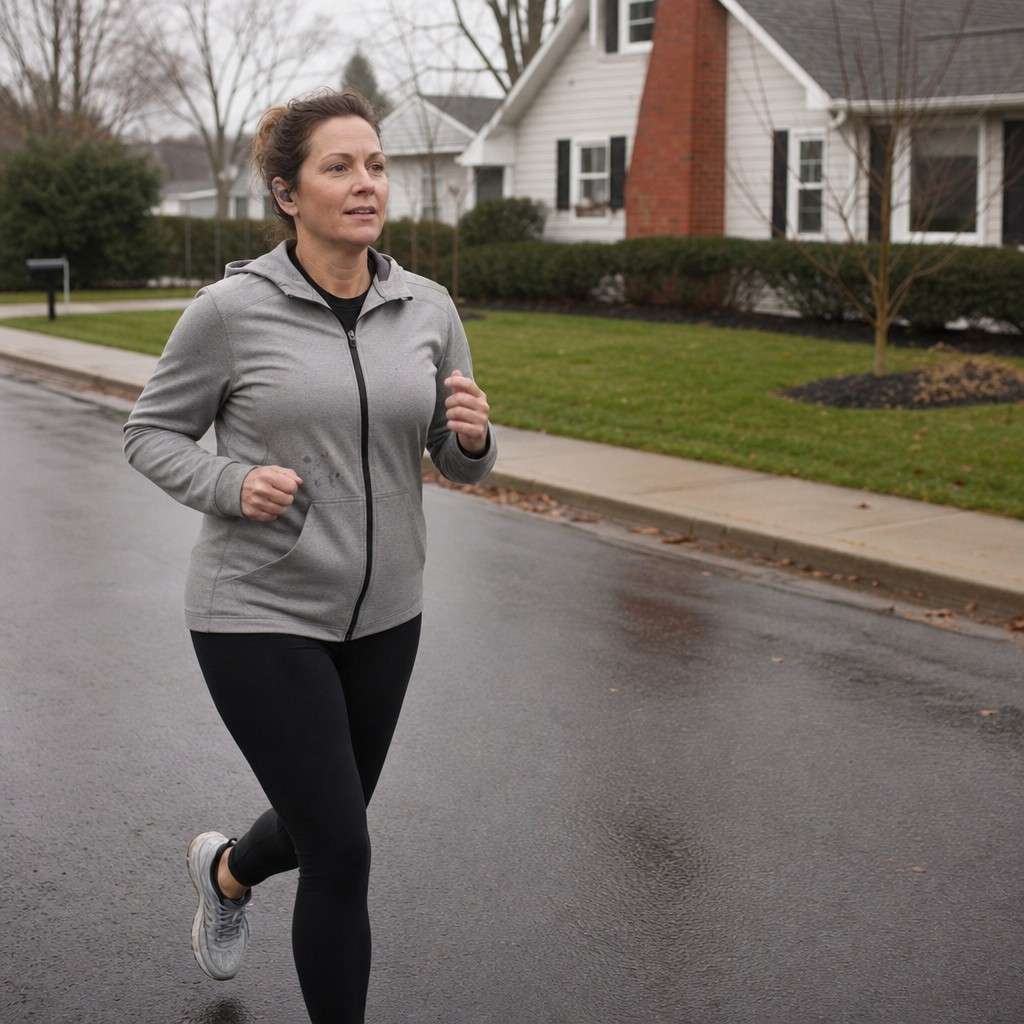
Easy pace means you can speak in full sentences while running. If you cannot, you are going too fast.
This trips up nearly every new runner. The speed that feels right tends to be the speed that burns you out in three minutes. Actual easy pace often feels almost embarrassingly slow. Go there anyway.
Understanding how to pace yourself as a beginner runner is the single biggest skill shift in the first month. Once you feel what genuinely easy effort is, training becomes sustainable.
What you actually need to start
The list is shorter than most gear articles suggest.
You need shoes with some cushion, reasonably well-fitted. Nothing specialty, nothing expensive. Whatever running shoe fits your foot without pinching or slipping will work for the first few weeks. If you decide running is going to stick, getting properly fitted at a running store is worth doing then. You can also compare cushioned running shoes on Amazon to get a sense of what’s out there before you go.
You need a sports bra that fits. This matters more than shoes for comfort. A bra designed for running, fitted to your actual size rather than guessed at, makes a real difference.
That is genuinely it for starting. Moisture-wicking clothes help but are not day-one requirements. A GPS watch is optional. Apps are optional. The only non-optional thing is showing up.
Warm up before, walk after
Five minutes of easy walking before you start running is enough to warm up. Dynamic moves like leg swings and high knees are useful if you want them, but walking works.
After your run, walk for five minutes rather than stopping abruptly. Your heart rate comes down gradually, your legs recover better, and the habit of a proper cool-down protects you over time.
Most beginner injuries come from ramping up too fast, not from running itself. Warm up, stay easy, and increase slowly.
This is general information, not medical advice. If something hurts or you are unsure about starting, check with your doctor.
The confidence gap
Many women spend the first few weeks convinced they are not doing it right because it feels too easy, or too hard, or they needed to walk more than they planned.
There is no doing it wrong here. Running for a minute and walking for two is running. Showing up for a 20-minute session when you are tired is training. Finishing a month of three-times-a-week is progress that will be visible in how you feel.
A quiet moment from early in the process, the first run where you do not feel like stopping before the timer goes off, tends to land differently than you expect it to. That shift is real. Give yourself the month to get there.
The site’s about page says it plainly: you are a runner the day you start running. Pace and distance do not decide it.
Making it stick
Consistency is the actual goal of the first month, not distance and not speed. Three sessions a week, kept up for four weeks, does more than one intense effort you cannot repeat.
The guide on building a consistent running habit goes deeper on what makes it stick through a busy life. Short version: same days, same time if you can manage it, and keep the bar low enough that showing up never feels like an ordeal.
Start with twenty minutes. Walk when you need to. Go slower than feels necessary. The running builds into the gaps on its own.
Recent Comments