
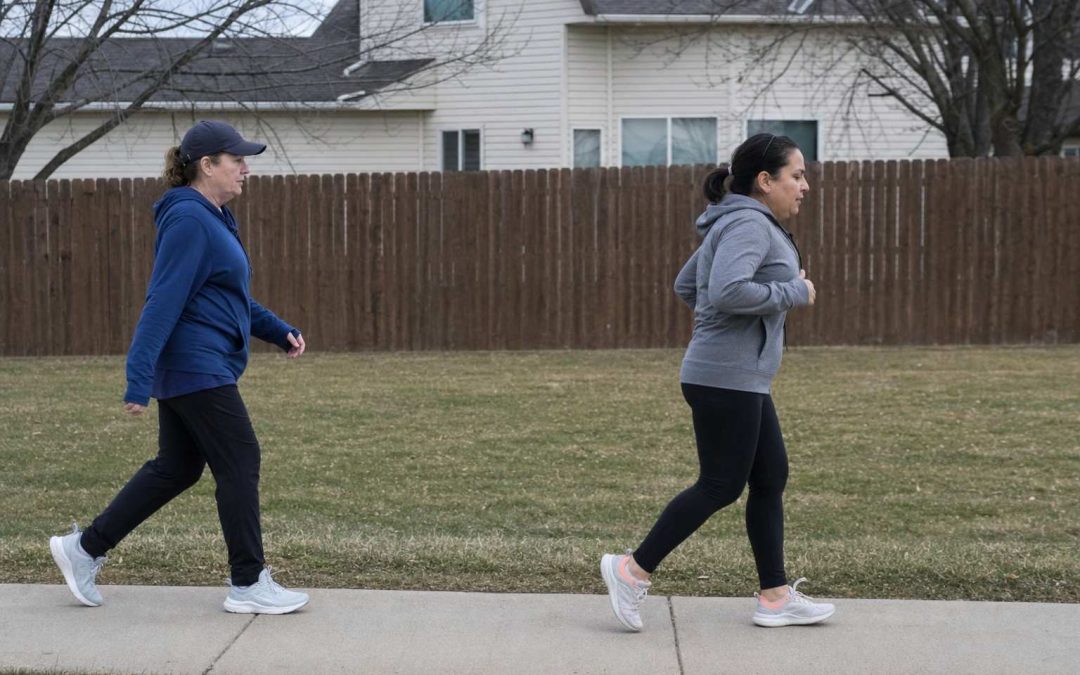
Most women who quit running in the first month quit for the same reason: they ran as hard as they could until they had to stop, felt wrecked, and decided running just was not for them.
The problem was never their fitness. It was the all-or-nothing pace.
The run-walk method fixes that. You run for a short stretch, walk for a short stretch, and repeat. It sounds almost too simple to matter, and it is one of the most reliable ways to go from “I can’t run” to running regularly.
What the run-walk method actually is
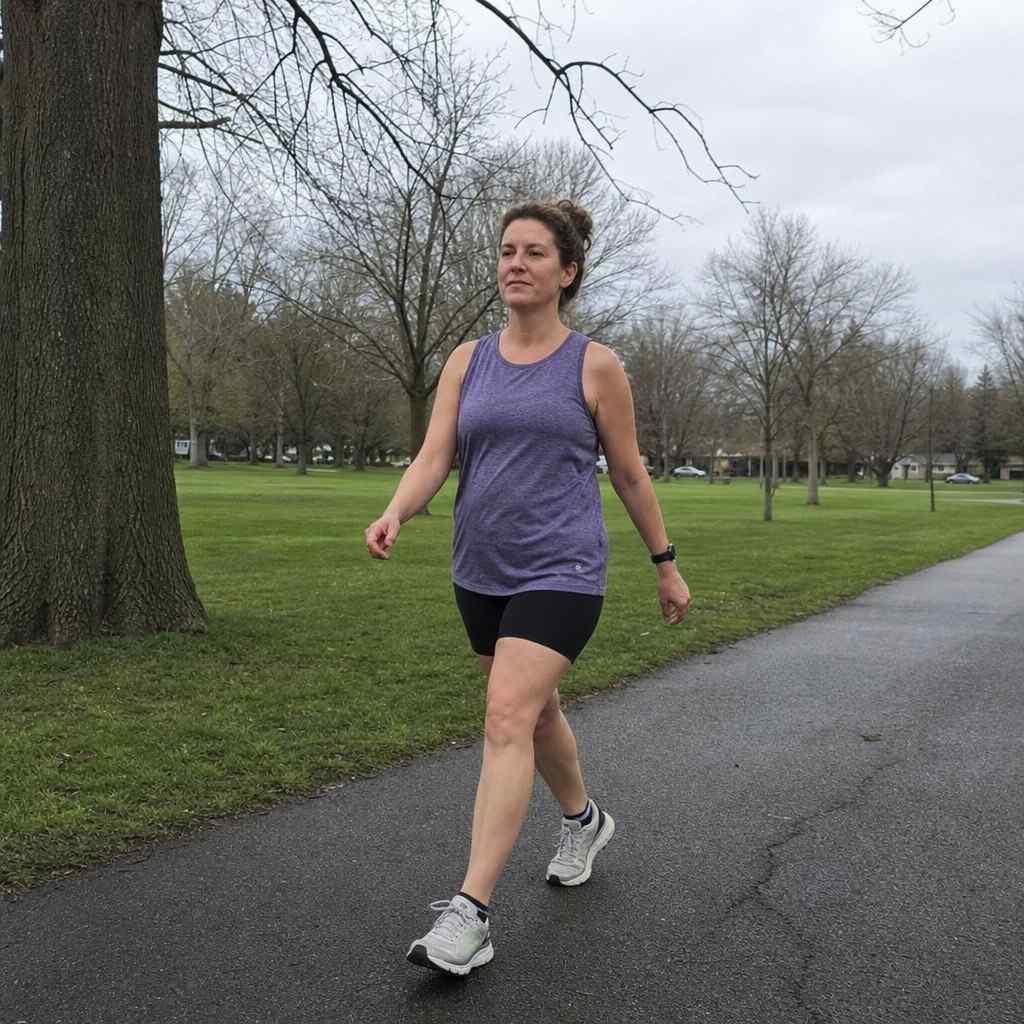
The idea is exactly what it sounds like: planned walk breaks built into your run from the start, not just when you are gasping.
You might run one minute and walk one minute, over and over, for twenty or thirty minutes.
It has picked up cute nicknames over the years, including “wogging,” a blend of walking and jogging. The serious version is the run-walk-run method, popularized by Olympian Jeff Galloway, who has taught it to beginners since the 1970s.
The walk is not failure. It is part of the workout.
Why walk breaks make you a stronger runner
Taking breaks on purpose feels backward when you are starting out.
It works because of what happens to your body when you are not redlining.
- Your heart rate stays in a useful range. Easy effort, not maximum effort, is what builds aerobic fitness. Walk breaks keep you there instead of spiking and crashing.
- You recover as you go. Short walks clear some of the fatigue before it piles up, so you finish feeling worked rather than wrecked.
- Your joints get a break too. Easing the pounding is one simple way to lower your risk of the overuse aches that sideline new runners.
- You go farther. Almost everyone covers more ground with run-walk than by running until they stall.
The runners who get hurt early usually ramped up too fast, not too slow. Walk breaks are how you go slow on purpose.
If you want the full picture of starting from zero, our guide on how to start running as a complete beginner walks through the first few weeks step by step.
How to start: a simple first ratio
There is no magic ratio. Pick something you can finish and adjust from there.
A good beginner pattern looks like this:
- Run 1 minute, walk 2 minutes. Repeat for about 20 minutes.
- After a week or two, try run 2 minutes, walk 1 minute.
- Keep nudging the running interval up only when the current one feels easy.
Notice how that works as a running pace for beginners: the walk is your reset, so the run portion can stay genuinely easy rather than a sprint you dread.
When to take a walk break
The clock is a fine guide, but your body is a better one.
Walk when you feel your breathing get ragged, when your form starts to fall apart, or when something twinges.
None of that is quitting. It is good judgment.
Heavy breathlessness, a limp, or real pain are signals to walk, not to push through. This is general information rather than medical advice, so if pain keeps showing up, check with your doctor.
For more on staying comfortable and confident on your own, see our outdoor running safety tips.
Make it easy to keep going
The method only works if you actually do it, which comes down to two things: keeping the intervals honest and showing up often.
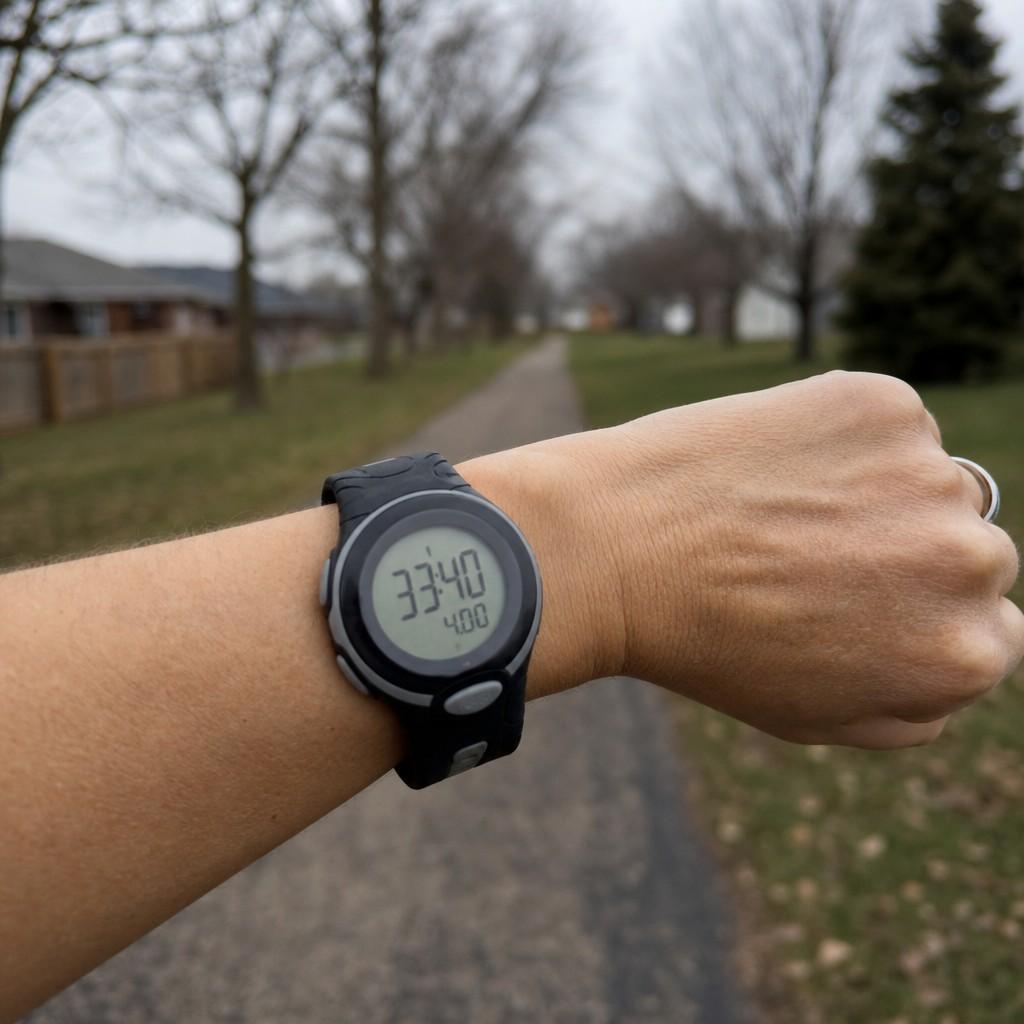
A simple timer helps more than you would expect. Some people use a free phone app; others like a watch that buzzes at each interval so they never have to look down. If you want one, you can compare running watches with interval timers on Amazon to see what fits your budget.
Consistency is the bigger lever. Three short run-walk sessions a week, kept up for a month, will change more than one heroic effort you cannot repeat. Our guide to building a consistent running habit covers how to make it stick.
Start where you are, walk whenever you need to, and let the running grow into the gaps.
That is the whole method, and it is enough.