
Most runners already own more gear than they use.
Another headband, another fuel belt, another pair of socks with a clever print on them. These are fine, but they don’t change the experience of running.
What tends to matter more is the kind of support that keeps someone actually out there.
If you’re looking for ideas for a runner you love, the gifts for female runners guide covers the gear side well. This piece is about everything else.
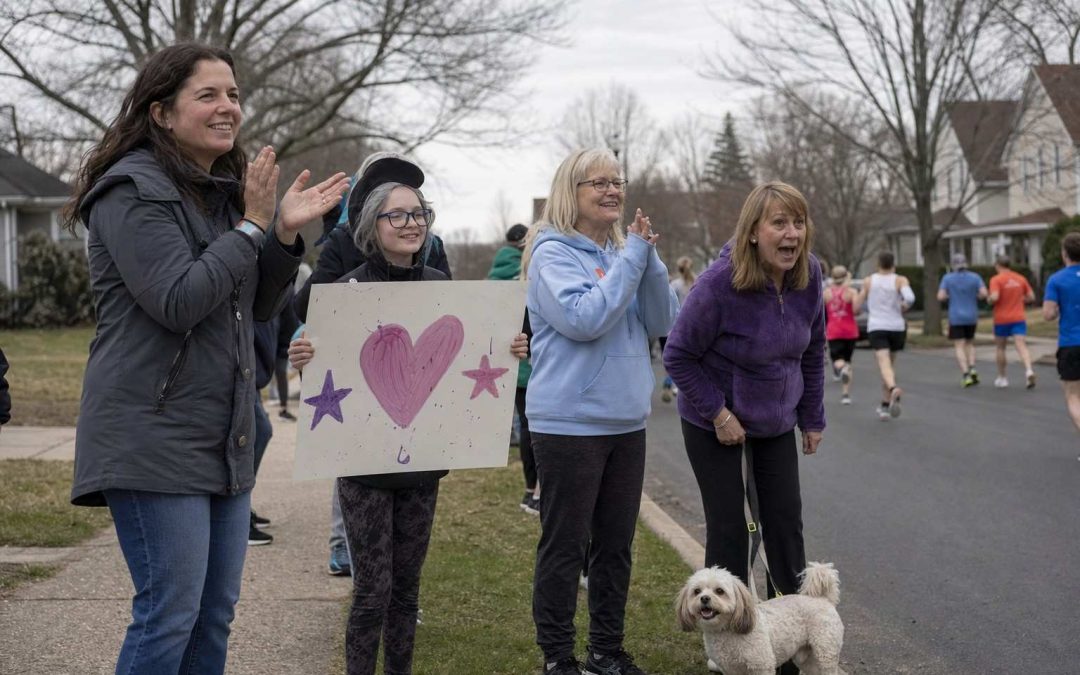
Show up at a race
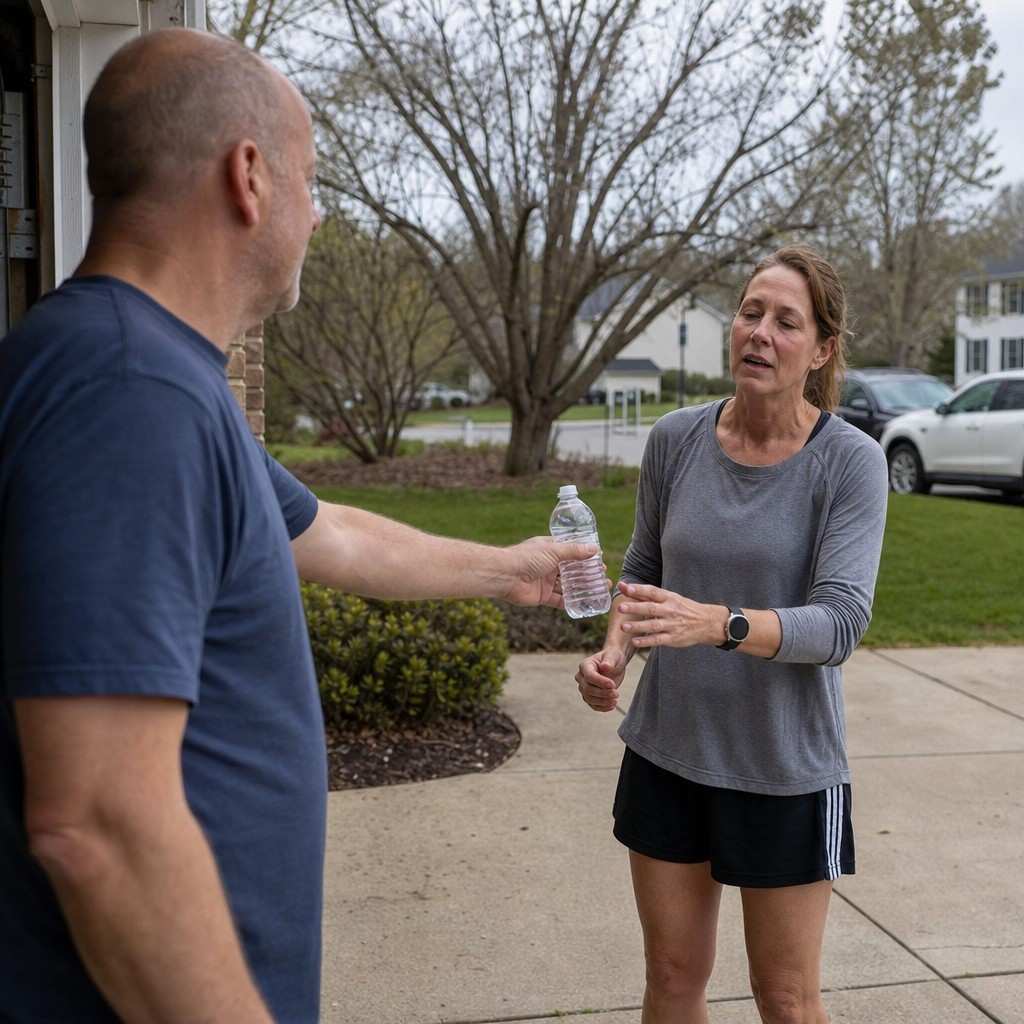
Seeing a familiar face at mile two is different from a card afterward.
Spectating a race takes some planning. You park far out, walk to a spot on the course, and stand there with a sign or just your voice. It is not glamorous.
It means more than almost anything else you can give.
If you can make it to the finish line too, do. That stretch from the last turn to the tape is when most runners hit their lowest point mentally. A recognizable face in the crowd is a real thing that pulls people through.
You don’t need to make a whole day of it or understand the race. Just being there is enough.
Watch the kids so she can run
Time is the resource most women runners are actually short on.
A new pair of shoes does not solve the problem of a Sunday morning when three people need something before she’s had her coffee.
Giving her a solid two hours on a weekend morning, no guilt, no one asking when she’ll be back, is practical and specific.
It works for a race prep window just as well. If she’s building toward a longer run and needs ninety minutes without interruption, you can give her exactly that without buying anything.
Be a training partner for a day
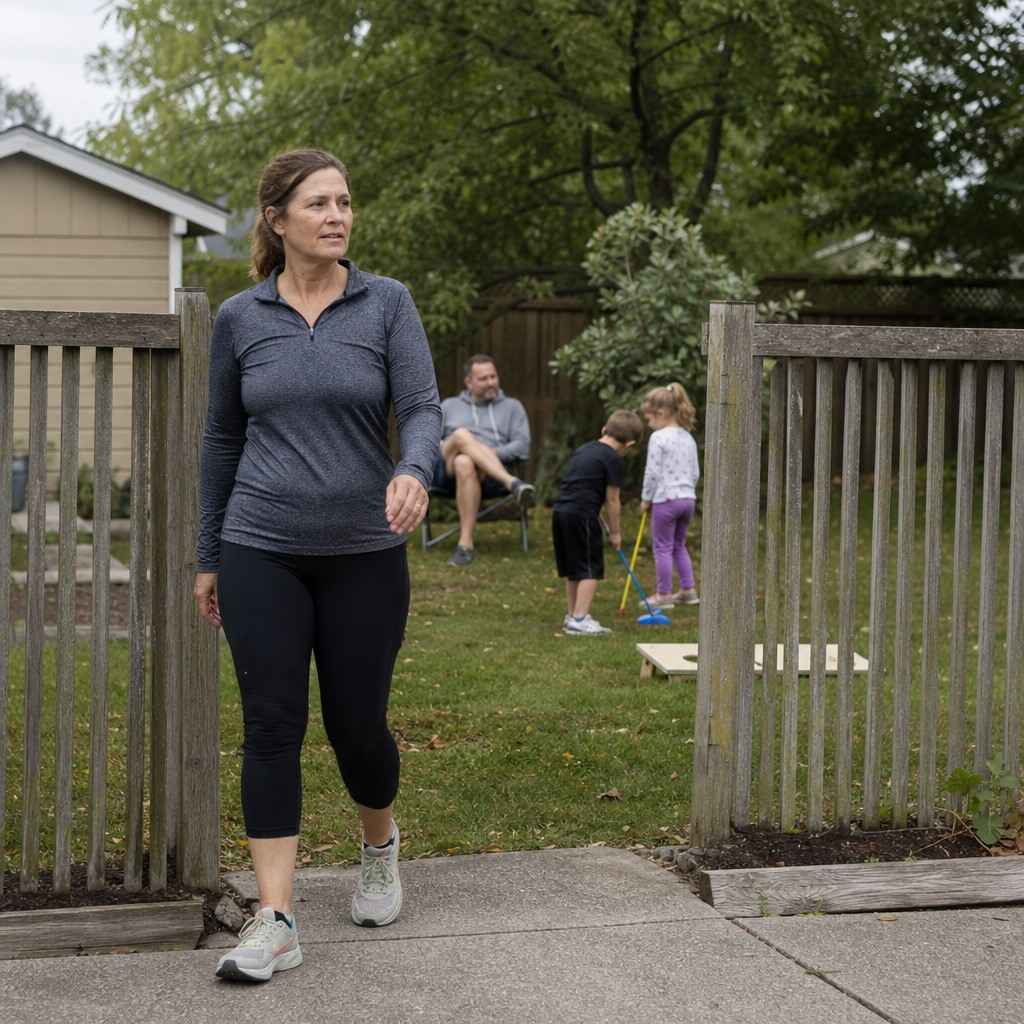
You don’t have to be a runner. Walking counts.
If she’s doing run-walk intervals, you can walk the walk portions and jog alongside during the run portions, or just keep pace walking for the whole thing and let her run out and back.
The point isn’t your pace. The point is company.
Company is what makes the early weeks of a new running habit stick in a way that solo running sometimes doesn’t. You’ll cover the same neighborhood she always runs through and probably see it differently together.
Learn the details of what she’s working toward
Most runners are quietly working toward something: a 5K in eight weeks, a distance milestone, getting back out after an injury setback.
Asking about it specifically, and remembering the answer next week, costs nothing.
“How did Saturday’s long run go?” is a different question than “Are you still doing that running thing?”
One of those lands as real interest. The other lands as polite tolerance.
You can also read a little. The site she’s here is a good place to start if you want to understand what recreational women’s running is actually about, which makes conversations easier and support more specific.
Write out a few small commitments
Not a formal plan. Just a few concrete things you’ll do over the next month:
- Cover one Saturday morning so she can get a longer run in
- Agree to meet her at the finish of her next local race
- Text her the night before a run she’s been nervous to start
Small and specific beats big and vague.
“I’ll support you” is warm but abstract. “I’ll be at the corner of Oak and Fifth at 10 a.m.” is something she can count on.
A pre-race dinner, handled
The night before a race, runners eat early, eat simple, and mostly want to feel calm.
Offering to handle dinner that night (pasta, bread, nothing complicated, nothing new) removes one thing from her mental load.
You don’t need to make it a production. The gesture is that you thought about it ahead of time and took it off her plate.
The most useful kind of support is specific. “Tell me when your race is and I’ll be there” lands differently than a vague promise to cheer her on someday.
Keep checking in after the race
Races end, and people ask about them for about a day. Then they move on.
But a runner who finished her first 5K, or ran a distance she’d never done before, is still thinking about it for weeks.
“Did you ever do that race?” a few weeks later, asked like you actually wanted to know, is the kind of follow-through that distinguishes real support from performance of it.
It’s also just a good friend habit, with or without the running.
None of this costs much. Some of it costs nothing. What it takes is paying attention and following through, which is harder than buying something and also more likely to matter.