
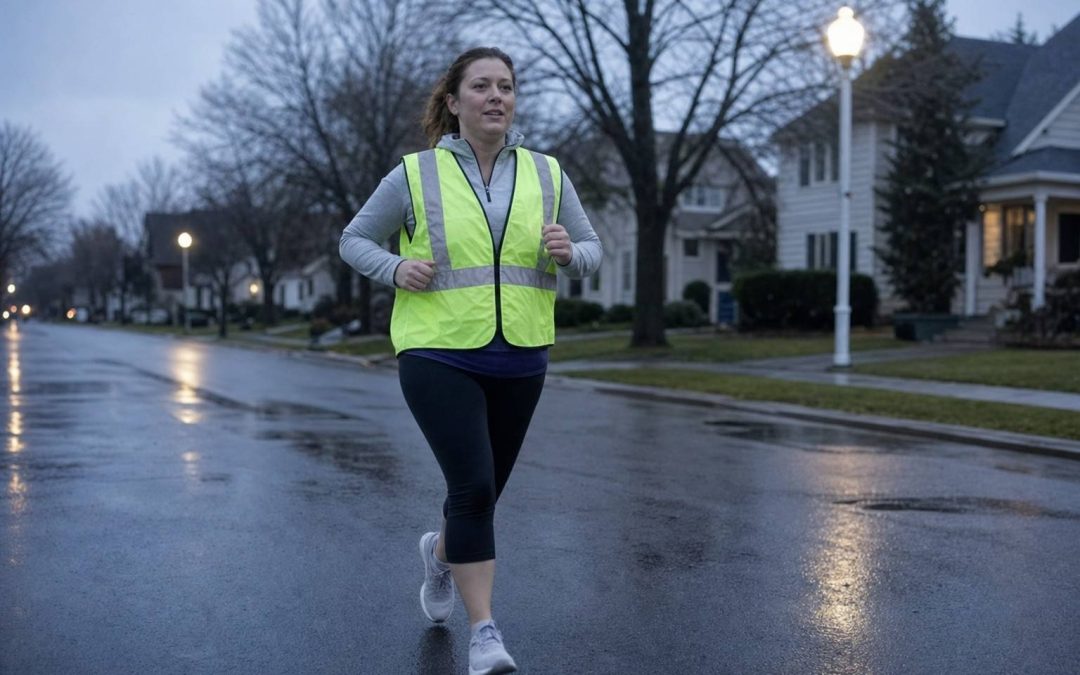
Running alone is normal.
Most women do it most of the time, and most runs end exactly as they start: uneventfully.
The goal here is not to add a checklist to every outing. It is to share the few habits that matter so you can stop thinking about them and focus on the run.
If you are just getting started and wondering whether outdoor running is even for you, the short answer is yes. You can read more about what running outdoors actually feels like once you get past the first few weeks.
Tell someone your route
The single most reliable safety habit costs nothing and takes ten seconds.
Before you head out, tell someone where you are going and roughly when you expect to be back. A quick text works fine.
You do not need a formal check-in system. You just need one person who would notice if you were not back by a certain time.
If you run solo regularly, a free app like Strava or Google Maps live-location sharing can do this passively. Use it if it fits how you already operate. Skip it if it adds friction you will not maintain.
Vary your routes and times
Running the same loop at the same time every day makes you predictable.
It is a small thing, but worth varying. Mix in a second or third route, change which direction you run a loop, shift your start time by half an hour some days.
This is not a response to a specific threat. It is just a reasonable default.
The same logic applies to which entrance you leave from or which side of the street you take.
Stay aware of what is around you
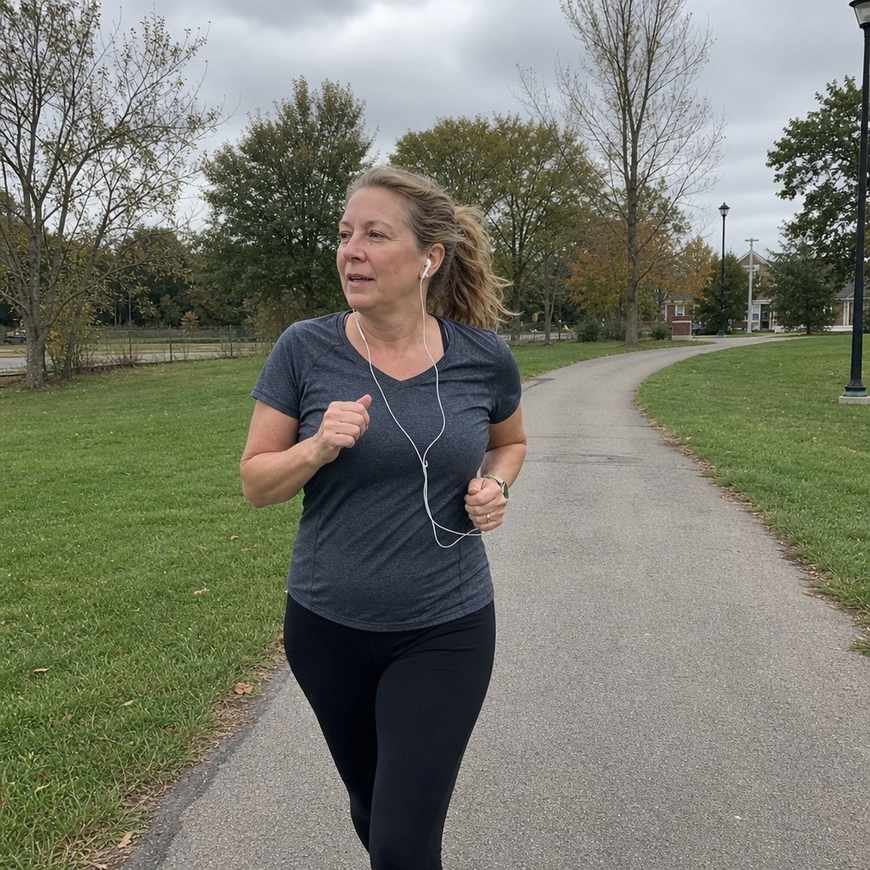
Earbuds are fine. Bone-conduction headphones work well here too, since they leave your ears entirely open.
The point is to hear a bike approaching from behind, a dog off-leash, or a car that is not slowing down the way it should.
One earbud out is the practical standard for quiet routes, dawn runs, and anywhere with low foot traffic.
On a busy daylight path with plenty of other people around, both earbuds in is a reasonable call. On a quiet road before sunrise, a little ambient awareness costs almost nothing.
Music and podcasts are part of why running is enjoyable. Keep that. Just keep one channel open when the environment warrants it.
Run visible
In daylight, this takes care of itself.
At dusk or before sunrise, a bit of reflective gear makes a real difference.
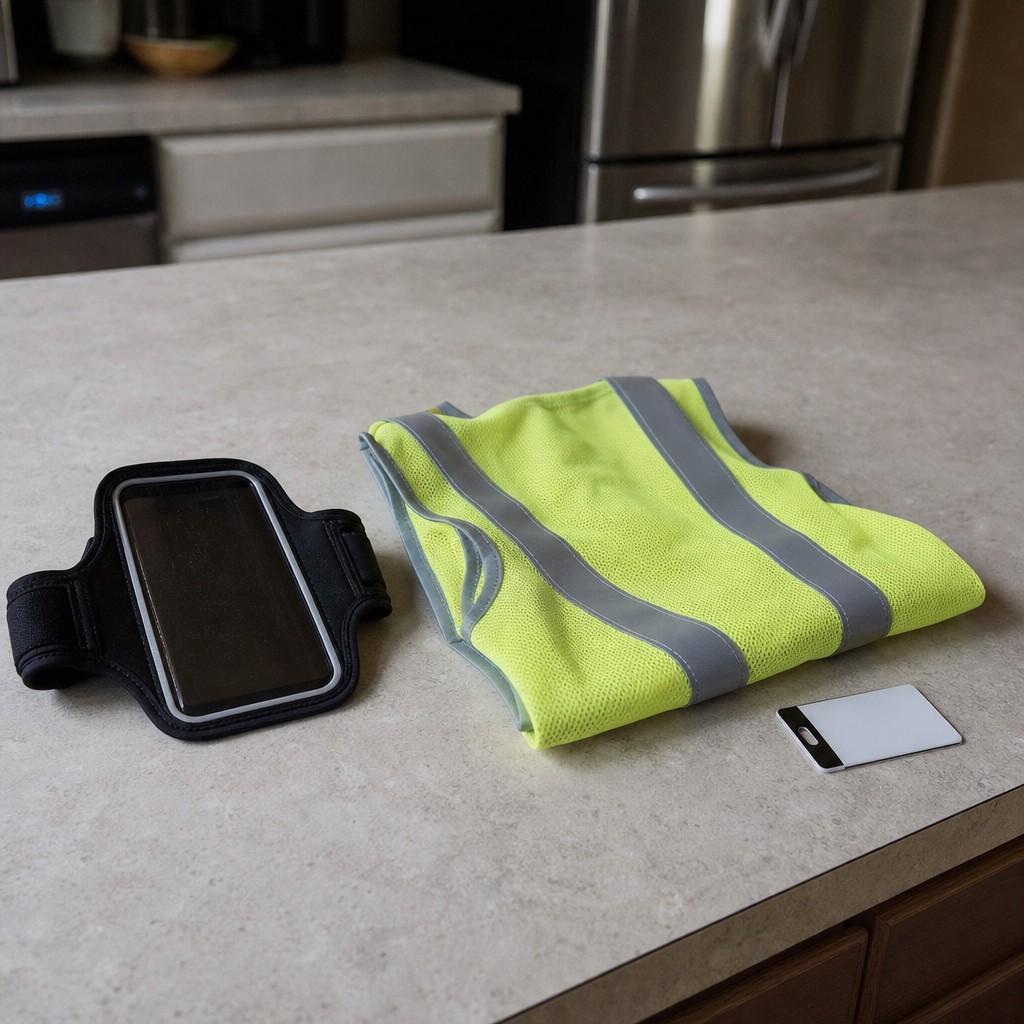
Reflective strips on your shoes, a lightweight reflective vest, or a clip-on blinky light are all cheap and effective. Drivers adjust their behavior when they can see you from further away.
Running against traffic (facing oncoming cars rather than having them approach from behind) gives you one extra second to react if something goes wrong.
This matters most in the thirty minutes around sunrise and sunset, when drivers’ eyes are still adjusting and low light is genuinely tricky. Once it is fully dark or fully light, it is less of a factor.
Carry ID and a phone
The phone is probably already in your pocket. Make sure it has enough charge to get you home if something goes wrong mechanically, not just medically.
A twisted ankle a mile from home in the rain is more common than any other kind of problem.
Carrying ID matters if you run in areas where you could be far from help. A Road ID or a simple card with your name, an emergency contact, and any relevant medical information is worth having. It takes up no space.
Some women carry a personal alarm. If that makes you feel better, carry one. It is not a requirement.
Trust what you notice
If something feels off, it probably is.
You do not owe any situation the benefit of the doubt. Cross the street, reverse direction, step into a shop, or stop and wait until the thing that felt wrong has resolved. No one needs an explanation.
This is not about fear. It is about acting on what you are already observing.
Your instincts are faster than conscious reasoning in the situations where they tend to be right. Trust them.
A note on getting started safely
New runners often worry about safety in a general way before they have even gone out once.
The specifics above are worth filing away, but they apply to an established habit.
The first thing is just to go.
A good overview of what starting running looks like as a complete beginner covers the practical early-stage questions. And if you are wondering whether this site is a good fit for where you are right now, the about page explains what it is for and who it is aimed at.
Running outdoors is safe enough to do regularly without treating every outing like a risk assessment. A few habits, kept up automatically, cover most of what matters. Run your route, tell someone, keep one ear open, and go.