

Getting stronger as a runner is not about pushing harder every session.
It is mostly about showing up often, keeping your easy runs easy, and letting your body adapt on its own schedule.
That sounds almost too simple. It works anyway.
Easy mileage does more than you think
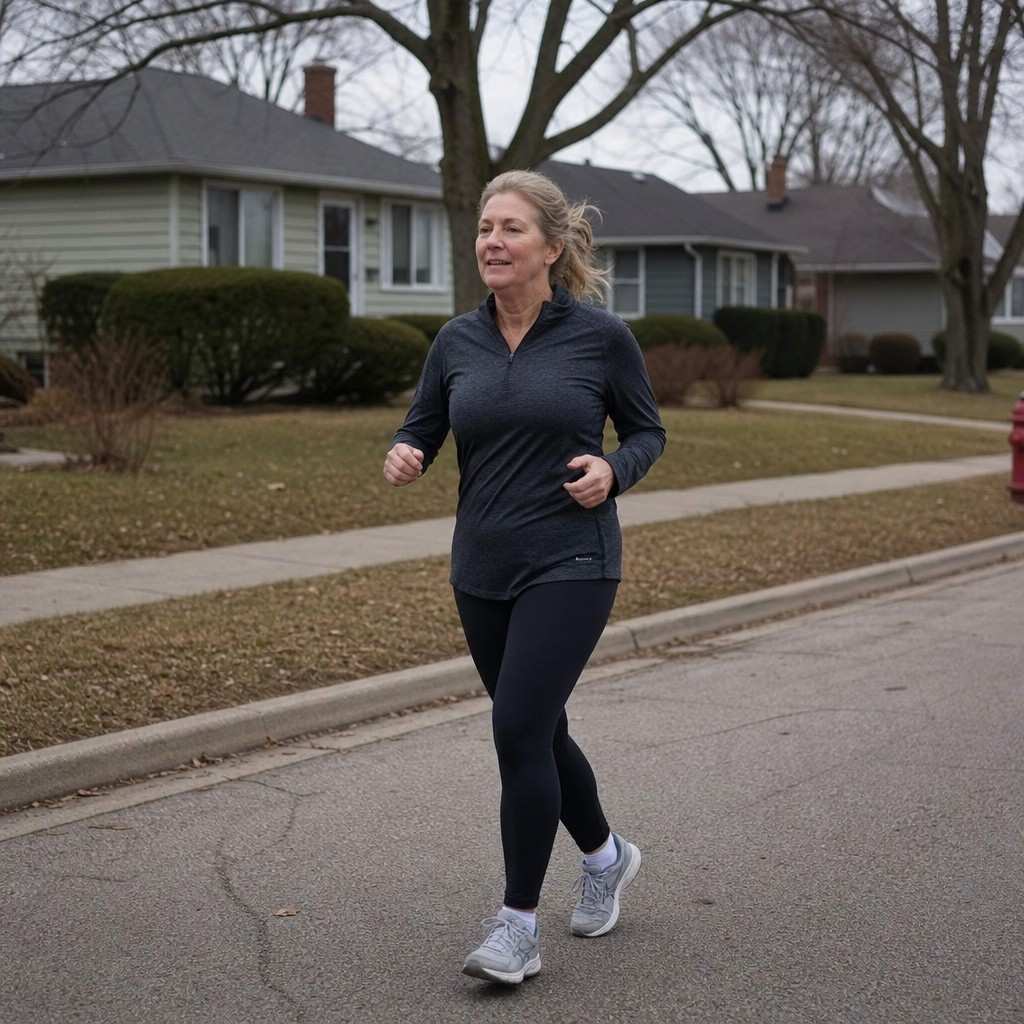
Most of your running should feel comfortable. Not a stroll, but a pace where you could hold a conversation if you needed to.
Running coaches call this “easy” or “aerobic” pace, and it is where your body builds the engine that everything else runs on.
Aerobic fitness is slow to develop, but once you have it, it is slow to disappear.
Consistent, comfortable miles over weeks add up to a noticeably stronger cardiovascular base. You will feel it when a route that used to wind you starts feeling manageable.
The American College of Sports Medicine recommends building aerobic activity gradually and keeping most training at moderate intensity for beginners. In practice, that means if you are breathing so hard you cannot speak in short phrases, you are probably running too fast for an easy day.
Learning to read your own effort is something our guide on running pace for beginners covers well.
How to progress without getting hurt
Ramping up gradually is the only way to make progress stick.
A commonly used guideline is increasing your weekly mileage by no more than ten percent from one week to the next. That rate feels slow when you are motivated, but it gives your tendons, bones, and connective tissue time to adapt alongside your lungs and legs.
Your cardio fitness adapts faster than your joints and muscles do. So even when your breathing feels fine, your body may not be ready for more.
That gap is where most new runners pick up aches that sideline them for weeks.
If something starts hurting, that is information worth taking seriously. This is general information, not medical advice, and if you have persistent pain or are unsure about a symptom, check with your doctor.
For a practical look at the overuse patterns that catch new runners off guard, the site’s guide to preventing common running injuries is a good place to start.
Simple strength work, no gym required
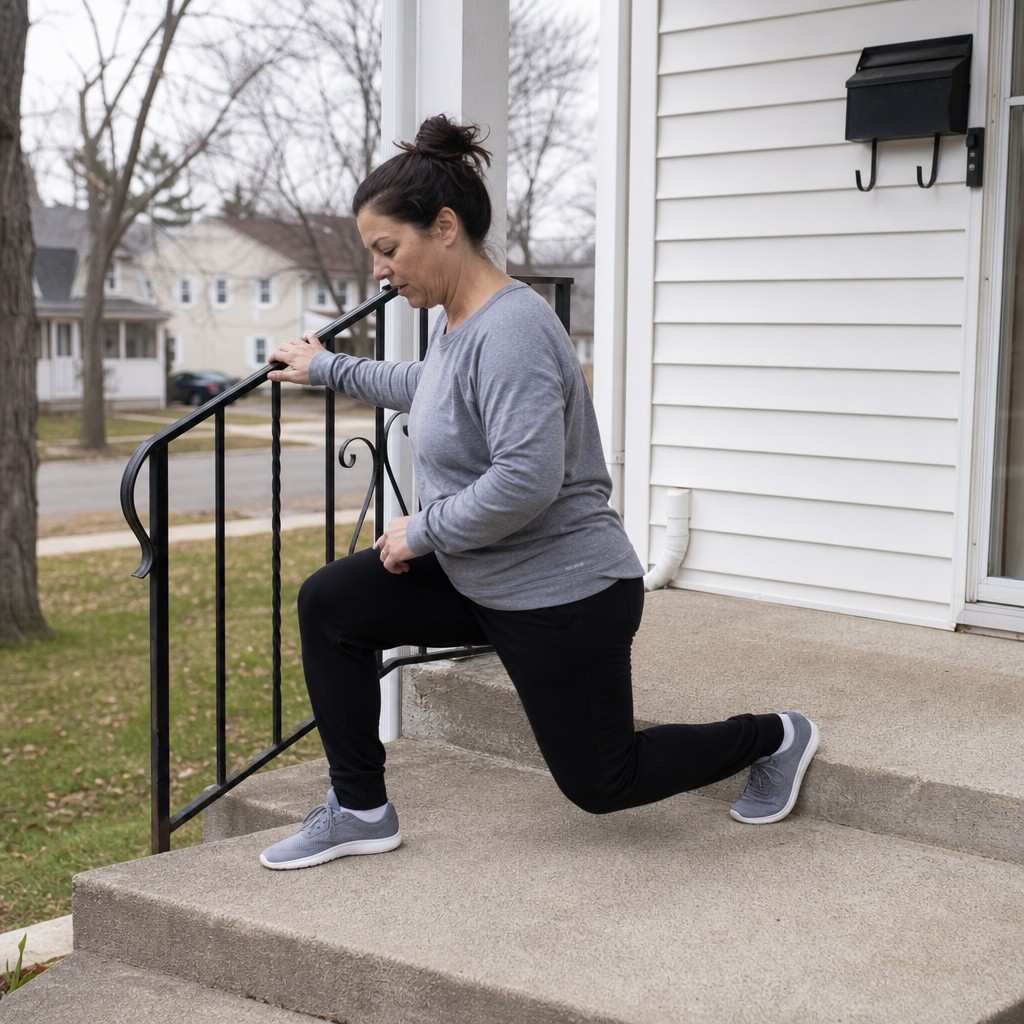
You do not need a gym membership or a complicated program to make your running body more resilient.
Stronger legs and a stable core make running feel easier and reduce your injury risk.
A few bodyweight exercises done two or three times a week cover most of what runners need:
- Squats and lunges build the quad and glute strength that powers each stride and cushions each landing.
- Calf raises support the Achilles and lower leg, which take a lot of load in running.
- Glute bridges target the hip muscles that keep your pelvis level, which protects your knees.
- Planks and dead bugs build the core stability that keeps your form from falling apart when you are tired.
Fifteen to twenty minutes, two or three times a week, is enough to see results. The goal is not to build bulk.
Two or three short strength sessions a week can reduce injury risk and make each run feel a little more controlled. That is worth fifteen minutes.
Rest is when you get stronger
Recovery is not optional.
The adaptation that makes you a stronger runner happens after the run, not during it. Sleep, rest days, and easy days between harder efforts are when your body rebuilds stronger than before.
Skipping rest days to run more is one of the most reliable ways to stop making progress.
Two or three days of running a week, with genuine rest between them, builds more fitness over months than running daily on tired legs.
A sustainable schedule also makes it far easier to build a consistent running habit over the long term, which is what actually gets you stronger.
The thing that actually compounds
Strength as a runner builds through months, not weeks.
A runner who puts in consistent easy miles, adds a little each week, does a bit of strength work, and rests between sessions will be noticeably stronger six months from now than one who cycles through bursts of intense effort followed by forced breaks.
That compounding is what changes what running feels like.
Routes that felt hard start feeling manageable. Distances that felt ambitious start feeling like Tuesday.
Start where you are, keep most of it easy, and let the weeks do the work.