
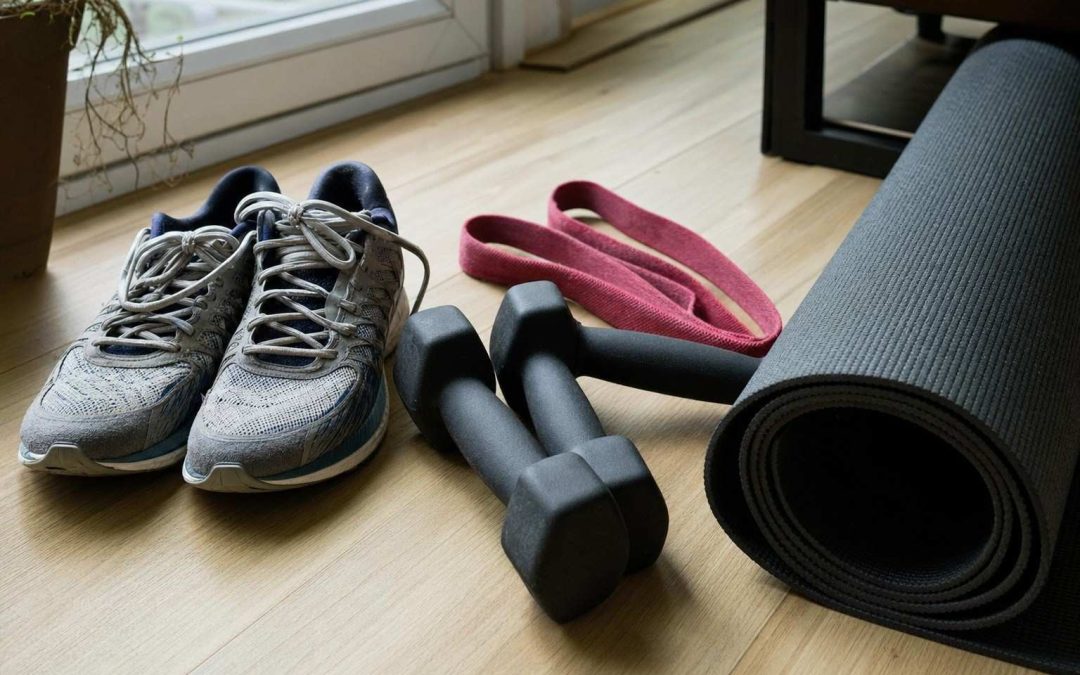
Most runners are handed the same advice for staying healthy: stretch before you head out the door.
The best evidence we have points somewhere else entirely.
When researchers pooled 25 controlled trials covering more than 26,000 people, one habit stood out for keeping people in their sport. A 2014 review in the British Journal of Sports Medicine found that strength training reduced sports injuries to less than a third, and cut overuse injuries almost in half.
Stretching, in the same analysis, showed no measurable effect on injury rates.
That gap matters, because injury is the main reason runners quit. Depending on the study, somewhere between a third and half of runners get hurt in a given year.
What the research actually found
Getting stronger protects you. Stretching, on its own, mostly does not.
That 2014 review sorted prevention methods into groups and compared them head to head. Strength training came out on top. Balance and coordination drills helped too.
Stretching did not move the needle.
A later analysis by the same lead researcher, published in 2018, found a clear dose-response pattern:
- More strength work meant more protection, up to a point.
- The effect held across different sports and ages.
- It worked for both sudden injuries and the slow overuse kind runners know well.
None of this means stretching is bad, or that you should stop. It means stretching is not the thing standing between you and a healthy season.
Why lifting protects runners
Running is a single-leg, repetitive impact sport. Every stride asks your muscles and tendons to absorb load.
When those tissues are strong, they soak up the force. When they are underprepared, the force goes somewhere it should not, usually a joint, a tendon, or a bone.
That is why most beginner injuries trace back to doing too much too soon. The body is asked to handle more than it has been built for.
Strength training raises that ceiling, so your body can take more load before it complains. It also shores up the weak links that sideline runners, like hips that do not stabilize and glutes that switch off late in a run.
What this looks like if you are starting out

You do not need a gym, a barbell, or heavy weights to get the protective effect.
Two short sessions a week is enough to start, which lines up with federal guidance. The CDC recommends muscle-strengthening activity on at least two days a week for all adults.
A simple starting set, using just your body weight:
- Squats, or sit-to-stands from a chair
- Single-leg balance, like standing on one foot while you brush your teeth
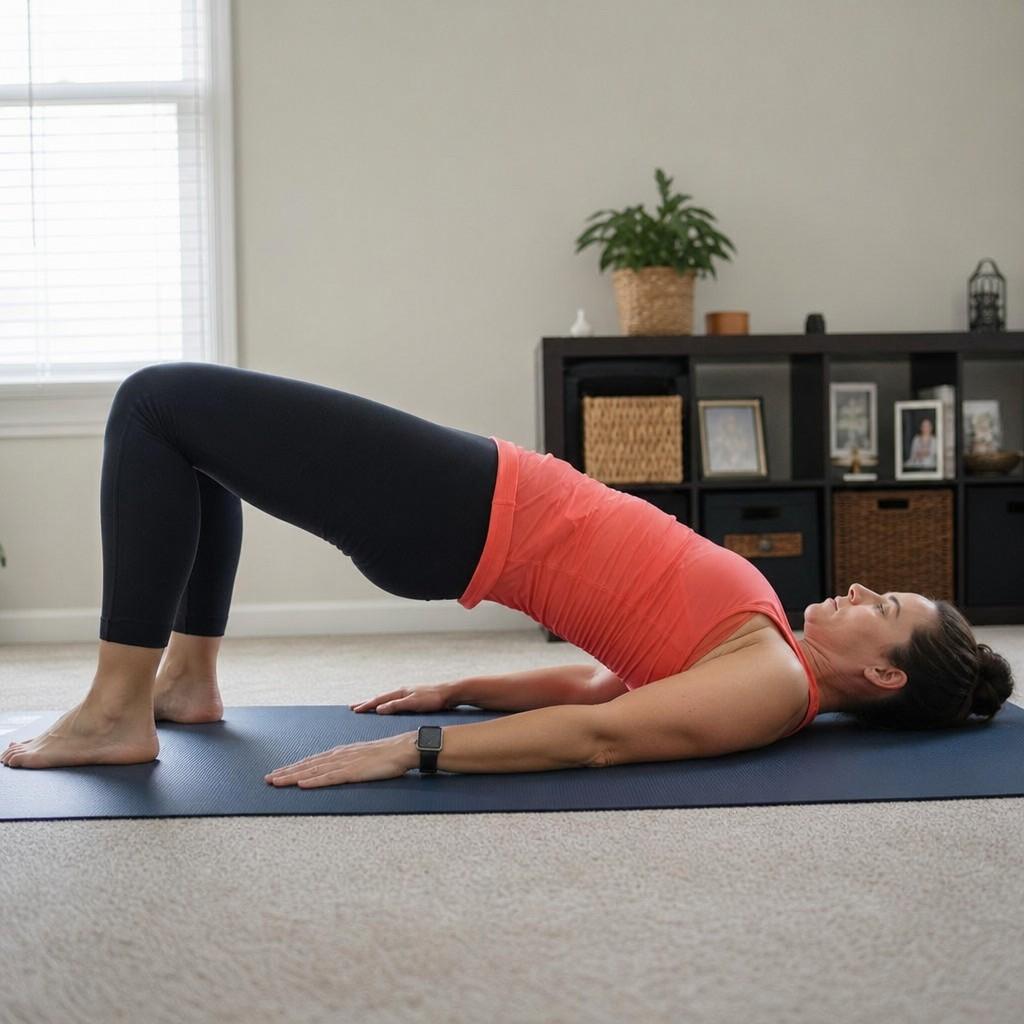
- Glute bridges
- Calf raises
- A plank or side plank, built up by a few seconds at a time
When bodyweight gets easy, light resistance is the next step. A pair of adjustable dumbbells or a set of bands covers almost everything a runner needs, and you can compare adjustable dumbbells and resistance bands on Amazon to see the range.
This is general information, not medical advice. If you are coming back from an injury or something hurts, check with a doctor or physical therapist before loading it.
How to fit it in without overhauling your week
The runners who keep strength work going treat it as small and routine, not a second workout to dread.
Ten to fifteen minutes, twice a week, does the job when you are consistent. Two sessions you actually repeat beat an ambitious plan you abandon.
A few ways to make it stick:
- Tack a short circuit onto the end of an easy run, while you are already warm.
- Use a rest day rather than a hard run day, so neither effort suffers.
- Start lighter than feels impressive and add slowly.
Strength, like mileage, rewards patience. This is the same logic behind building a consistent running habit: the version you can repeat is the version that works.
Where to start this week
Pick two days and put a ten-minute strength session on each. Bodyweight is fine. The point is to begin, not to be impressive.
Keep your running easy while your body adjusts to the new load, and build both slowly. Many of the most common running injuries come from ramping up faster than the body can adapt, and strength work buys you room to handle more.
Months from now, the payoff is not a number on a chart. It is the season you did not lose to a nagging knee, and the quiet confidence of a body built to keep going.